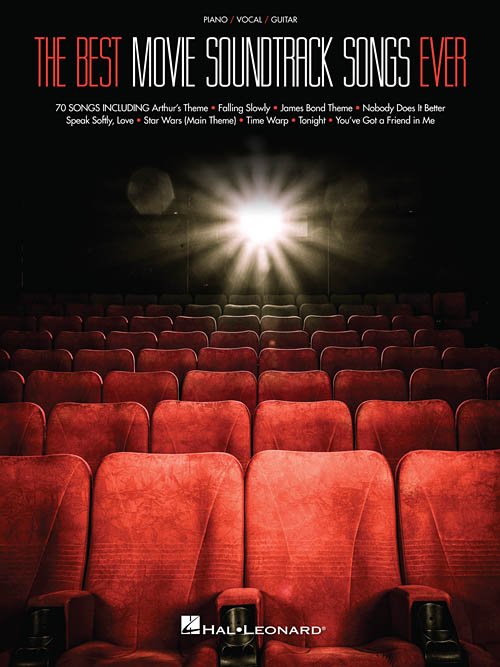
A single chord, a familiar vocal, a beat drops – and suddenly, you’re not just sitting in front of a screen. You’re back in a neon-drenched arcade, cruising down a sun-drenched highway, or reliving a defining moment from your youth. This is the unparalleled power of Soundtrack & Songs from movies, a sonic tapestry that doesn't just accompany a story but becomes an integral part of our collective memory, often shaping generations in ways we scarcely realize.
The best film soundtracks don't just provide background noise; they are emotional cheat codes, transporting us back to specific eras, moods, and even our own personal histories. They elevate a good film to an iconic one, forging an unbreakable bond between sight and sound that resonates long after the credits roll.
At a Glance: What Makes a Soundtrack Legendary?
- Emotional Resonance: Connects deeply with audiences, enhancing the film's narrative.
- Cultural Significance: Defines and captures the zeitgeist of an era, becoming synonymous with it.
- Iconic Tracks: Features memorable songs that gain fame beyond the film itself.
- Commercial Success: Often tops charts and sells millions, proving its broad appeal.
- Critical Acclaim: Recognized by industry awards and critics for its artistic contribution.
- Lasting Impact: Endures through decades, influencing new generations and media.
More Than Just Background Music: Why Soundtrack & Songs Matter
Think about it: what would Saturday Night Fever be without the Bee Gees' pulsating disco beats? Would Top Gun have ignited a generation's need for speed without Kenny Loggins' "Danger Zone"? The answer, unequivocally, is that they wouldn't be the same. These collections of songs—whether original compositions or expertly curated licensed tracks—do more than just fill silence; they are narrative drivers, mood setters, and cultural time capsules.
The phenomenon of the "Original Soundtrack Album" (OSA) transformed how we interact with movies. It took the cinematic experience out of the theater and into our homes, our cars, and our headphones, allowing us to replay the emotions, the energy, and the pure joy of a film whenever we wanted. These albums became standalone works of art, often outselling the films' box office takings and launching careers. They serve as historical markers, chronicling changes in music taste, production techniques, and the very fabric of popular culture.
The Anatomy of an Iconic Soundtrack: Crafting an Auditory Legacy
What transforms a mere compilation of songs into a landmark soundtrack? It's a delicate alchemy, often involving a visionary director, a talented music supervisor, and a deep understanding of how music can underscore, contradict, or amplify a cinematic moment.
An iconic soundtrack often balances several elements:
- Narrative Cohesion: The songs aren't random; they're chosen to enhance the story, reflect character arcs, or establish the film's world.
- Period Authenticity (or purposeful anachronism): For period pieces, tracks might be strictly from that era. For films like Guardians of the Galaxy, the deliberate use of 70s hits provides character depth and a distinctive retro charm.
- Emotional Impact: The right song at the right moment can elicit tears, laughter, excitement, or profound introspection.
- Stand-Alone Quality: The best soundtracks are enjoyable even without the visual context of the film, proving their inherent musical strength.
While a film score (the instrumental music specifically composed for a movie) plays a crucial role in shaping a film's atmosphere, soundtracks often differentiate themselves by prominently featuring existing popular songs. It's this integration of familiar or soon-to-be-familiar tracks that gives many of the most famous soundtracks their unique appeal and chart-topping potential.
Generations Defined: Landmark Soundtracks and Their Stories
Certain soundtrack & songs collections have transcended their cinematic origins to become cultural touchstones, defining entire eras for those who lived through them and offering a window into the past for those who didn't.
The 1950s Echo: Grease (1978)
When Grease hit theaters in 1978, it wasn't just a movie; it was a phenomenon, and its soundtrack was the engine. Dripping with 1950s rock 'n' roll nostalgia, doo-wop harmonies, and an unexpected dash of disco, the album captured the hearts of millions. Featuring powerhouse performances from John Travolta and Olivia Newton-John, songs like "Summer Nights," "You're the One That I Want," and "Greased Lightnin'" became instant classics.
The Grease soundtrack isn't just popular; it's one of the best-selling albums of all time, earning multi-platinum certifications and becoming a staple at karaoke nights and themed parties worldwide. It perfectly encapsulated a romanticized vision of the 50s, making it eternally cool and endlessly rewatchable, largely thanks to its infectious tunes.
Disco Inferno: Saturday Night Fever (1977)
A year before Grease transported us back to the 50s, Saturday Night Fever dragged us onto the disco dance floor, and its soundtrack & songs defined an entire generation. Saturated with the iconic disco beats of the Bee Gees, tracks like "Stayin' Alive," "How Deep Is Your Love," and "Night Fever" weren't just hits; they were anthems that propelled the disco movement into the stratosphere.
The album wasn't merely a collection of songs; it was a cultural manifesto, providing the pulsating backdrop to Tony Manero's strut and the dreams of a working-class youth. It became one of the best-selling albums in history, dominating the charts and cementing the Bee Gees' legacy while simultaneously making disco a global sensation. Its impact on music, fashion, and dance is undeniable, a true testament to its era-defining power.
The 80s Anthem Factory: Top Gun (1986) & The Breakfast Club (1985)
The 1980s were a heyday for cinematic soundtracks, often characterized by synth-heavy pop, stadium rock, and power ballads that perfectly matched the decade's bombast and burgeoning teen angst.
Top Gun (1986)
Need for speed, aviator shades, and high-octane action? That's Top Gun, and its soundtrack is arguably as famous as the film itself. Boasting 1980s rock and pop from legends like Kenny Loggins ("Danger Zone," which became synonymous with the film's adrenaline-fueled aerial combat), Berlin ("Take My Breath Away," a soaring power ballad that won an Academy Award for Best Original Song), and Cheap Trick, it was the best-selling soundtrack of 1986. The Top Gun soundtrack captured the optimism and intensity of the era, making every listener feel like they could defy gravity.
The Breakfast Club (1985)
On the flip side of 80s action, The Breakfast Club captured the emotional landscape of adolescence with its own unforgettable soundtrack & songs. Dripping with 1980s new wave and rock vibes, it became the voice of a generation of alienated teenagers. Simple Minds' "Don't You (Forget About Me)" is the undeniable centerpiece, an anthem of longing and connection that still evokes powerful nostalgia. Other rock and new wave tracks from artists like Wang Chung further solidified its place as a quintessential 80s album, hitting No. 17 on the Billboard 200. It's a soundtrack that speaks to the timeless struggle of finding your identity.
Quentin's Quirk & Cult Classics: Pulp Fiction (1994)
Quentin Tarantino redefined the film soundtrack as an art form with Pulp Fiction. Rather than relying on a traditional score, Tarantino compiled an eclectic blend of surf rock, pop, and soul that perfectly mirrored the film's cool, quirky, and violent aesthetic. From the iconic opening notes of Dick Dale's "Misirlou" to the groovy "Jungle Boogie," along with tracks from Chuck Berry and Dusty Springfield, the soundtrack became a character in itself.
It wasn't just a collection of songs; it was a curated mixtape that introduced obscure gems to a mass audience and elevated existing classics to new cult status. The Pulp Fiction soundtrack redefined film music, demonstrating that carefully selected, seemingly disparate tracks could create a coherent and profoundly impactful auditory experience. It reached No. 21 on the Billboard 200 and sold over 2 million copies in the U.S., proving its innovative approach resonated widely.
Hip-Hop Heavyweight: 8 Mile (2002)
For early 2000s rap, the 8 Mile soundtrack was a defining piece. Chronicling the struggles and aspirations of Jimmy "B-Rabbit" Smith Jr., portrayed by Eminem, the album became a raw and powerful reflection of the film's gritty narrative. Featuring heavyweight artists like Eminem himself, 50 Cent, and Jay-Z, it captured the intensity and lyricism of the era's hip-hop scene.
Eminem's "Lose Yourself" became an instant anthem, a motivational powerhouse that transcended the film to become a global hit, snagging an Oscar for Best Original Song—a rare feat for a rap track. The soundtrack debuted at No. 1 on the Billboard 200 and is certified sextuple platinum in the US, underscoring its massive cultural and commercial impact. It wasn't just background music; it was the voice of a struggle, a triumph, and a generation.
Retro Revival: Guardians of the Galaxy (2014)
In a relatively recent example of how old music can find new life, Guardians of the Galaxy proved that a well-curated vintage playlist can be just as impactful as any original score. Positioned as an "Awesome Mix Vol. 1" (and later "Vol. 2"), this auditory time capsule was packed with popular 1970s songs that reflected the main character Peter Quill's sentimental connection to Earth.
Featuring legends such as Blue Swede ("Hooked on a Feeling"), Redbone ("Come and Get Your Love"), David Bowie, and Marvin Gaye, the soundtrack injected a vibrant, retro energy into the sci-fi adventure. It was a massive commercial success, reaching No. 1 on the Billboard 200 and introducing a new generation to classic hits. The Guardians of the Galaxy soundtrack demonstrates the enduring power of carefully selected pop music to define character, drive humor, and create a unique cinematic identity. In fact, its success highlights how even properties like My Little Pony new generation can lean on compelling music to connect with evolving audiences, proving that the right blend of tunes always finds its mark.
Beyond the Chart-Toppers: Other Unforgettable Auditory Journeys
While the above stand out as monumental, countless other films have gifted us incredible soundtrack & songs that resonate deeply. Think of the spooky, iconic synth of the Ghostbusters theme, the melancholic indie folk of Garden State, or the poignant ballads of Inside Llewyn Davis.
The sensual rhythms of Dirty Dancing ("(I've Had) The Time of My Life") got everyone dancing, while Footloose spurred a whole generation to cut loose. And for a more contemporary cult classic, Scott Pilgrim vs. The World delivers a punchy, indie rock soundtrack that perfectly captures the film's frenetic energy and quirky charm. Then there's Prince's Purple Rain, a movie and soundtrack so intertwined they became a singular, artistic entity, showcasing one artist's unparalleled genius. These examples, though diverse in genre and era, share a common thread: their music is indispensable to their cinematic identity.
Crafting the Perfect Vibe: The Art of Soundtrack Curation
The process of selecting and integrating music into a film is a meticulous art form. It's not just about picking favorite songs; it's about making deliberate choices that serve the narrative, deepen characterization, and manipulate audience emotion.
A film's director, often working closely with a music supervisor, makes hundreds of critical decisions:
- Which genre fits the film's tone? A gritty drama might lean on blues or raw hip-hop, while a rom-com might prefer buoyant pop.
- Should the music be diegetic (heard by characters) or non-diegetic (for the audience only)? This can profoundly change how a scene is perceived.
- How does a song's lyrics interact with the on-screen action? Sometimes they directly comment, other times they add ironic counterpoint.
- Does a licensed track evoke the right era or feeling without distracting from the story? The perfect song can instantly ground a scene in a specific time and place.
This careful curation is what separates a forgettable collection from a truly iconic one. The goal is to create a seamless auditory experience that enhances, rather than detracts from, the visual storytelling.
The Lasting Legacy: Why These Soundtracks Endure
Why do we keep returning to these classic soundtrack & songs? It’s more than just nostalgia. These albums tap into universal human experiences: love, loss, rebellion, joy, and the relentless march of time. They become sonic anchors, allowing us to revisit pivotal moments in film and in our own lives.
Their endurance is also a testament to their inherent musical quality. Many of the songs found on these soundtracks are masterworks in their own right, capable of standing alone as beloved hits. Their inclusion in a film simply amplified their reach and cemented their place in popular culture.
Ultimately, the "greatest movie soundtracks ever" are not just dictated by critics or industry awards, though those certainly play a part. They are truly shaped by popular opinion, by audience love, and by the countless times we've pressed play, sung along, and felt transported. These are the soundtracks that generations vote for with their ears, their hearts, and their enduring memories.
Your Turn: Discovering Your Next Auditory Obsession
The world of soundtrack & songs is vast and endlessly rewarding. Whether you're revisiting a beloved classic like Grease for its infectious 50s charm, immersing yourself in the gritty early 2000s rap of 8 Mile, or grooving to the 70s mixtape from Guardians of the Galaxy, there's always something new—or delightfully old—to discover.
So, queue up a classic, explore a new genre through a film you love, or dive into the deep cuts of a soundtrack you’ve only ever partially heard. Let the music transport you, evoke a forgotten feeling, or inspire a new journey. Which soundtrack resonates most with you? Which one defined a moment in your life? The conversation about the greatest movie soundtracks is always ongoing, and your favorites are an essential part of shaping that ultimate list.